
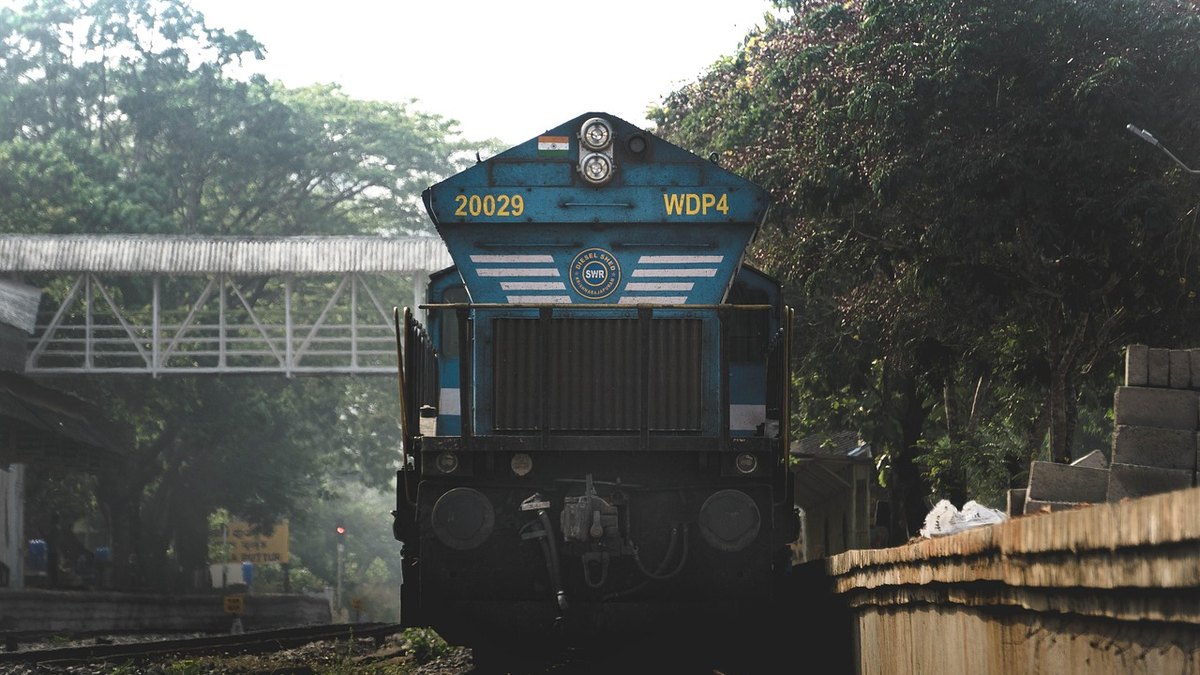
The RAC ticket rules that let two passengers share one side-lower berth are under review, and Indian Railways has not yet decided whether to keep, change or end them. Reports from the past week say a section of senior railway officials believes the decades-old arrangement is no longer needed in the age of digital ticket checking.
The topic is trending because millions of travellers end up with RAC status every year, especially during the festive and wedding seasons. As of November 20, 2026, no official notification has been issued, so the current rules still apply to every booking.
Key Highlights
- RAC ticket rules are under review, but no decision has been announced as of November 20, 2026.
- An RAC passenger pays the same full fare in Rs as a confirmed passenger while sharing one side-lower berth.
- A parliamentary panel wants part of the Rs fare refunded to passengers who never get a full berth.
- Current booking, cancellation and refund rules still apply until an official circular is issued.
In This Article
What Happened With the RAC Ticket Rules
On November 18, 2026, a PTI report carried by The Economic Times said some senior officials feel Reservation Against Cancellation (RAC) has outlived its purpose. A few days earlier, on November 14, India.com reported, citing The Times of India and unnamed railway sources, that the Railways was considering scrapping the facility.
Both reports describe a proposal under discussion, not a decision. The Economic Times report notes clearly that the Railway Ministry has not announced a final decision. No date, circular or draft rule has been made public.
How an RAC Berth Works Today
RAC sits between a confirmed ticket and a waitlisted one. An RAC passenger is allowed to board and travel in the reserved coach, but shares a side-lower berth with another passenger. Both passengers pay the full fare.
If a confirmed passenger cancels or does not turn up, the RAC passenger moves up and can get a full berth. Waitlisted passengers, in turn, can move up into RAC. To understand status codes such as RAC, RLWL and GNWL, see our explainer on how to read your PNR status.
RAC berths per coach since 2016
In December 2016, the Railway Ministry raised the number of RAC berths in every sleeper-type class, with the change applied from January 2017, according to a PTI report published by Business Standard at the time.
| Class | RAC berths before | RAC berths after | RAC passengers per coach now |
|---|---|---|---|
| Sleeper | 5 | 7 | 14 |
| 3AC | 2 | 4 | 8 |
| 2AC | 2 | 3 | 6 |
So a single sleeper coach can carry up to 14 people who have paid full fare but hold only half a berth each until a vacancy opens.
Why Officials Say RAC May No Longer Be Needed
The main argument, according to the PTI report, is technology. Ticket examiners now carry Hand Held Terminals (HHTs) linked to the reservation system. When a confirmed passenger is a no-show, the examiner can mark the berth vacant on the device, and it can be offered to another passenger from the next station.
Officials quoted in that report also argue that the Railways does not lose money from no-shows, because a passenger who does not travel on a confirmed ticket generally does not get a refund. Some officials also feel ending RAC would cut the scope for discretion by ticket examiners when allotting berths.
The India.com report added another concern raised by railway sources: passengers who do not know each other, sometimes a man and a woman, are made to share one berth, which causes discomfort and makes the examiner’s job harder.
The Parliamentary Panel’s Refund Recommendation
The fare question is not new. In a report tabled in the Lok Sabha on February 4, 2026, Parliament’s Public Accounts Committee, chaired by K C Venugopal, criticised the practice of charging full fare to passengers who remain on RAC after the chart is prepared and never get a full berth.
The committee asked the Railway Ministry to devise a mechanism for a partial fare refund for such travellers, as reported by Business Standard and The Economic Times. Railway officials, according to PTI, have said a common refund system would be complicated because tickets are booked both online and at counters.
Confirmed vs Unconfirmed: Where Things Stand
- Confirmed: RAC lets two passengers share one side-lower berth, each paying the full fare.
- Confirmed: Sleeper coaches have 7 RAC berths, 3AC has 4 and 2AC has 3, under the 2016 revision.
- Confirmed: The Public Accounts Committee recommended partial refunds in its February 2026 report.
- Confirmed: Vande Bharat Sleeper trains do not offer RAC; passengers get either a confirmed berth or a waitlisted ticket.
- Not confirmed: Whether RAC will be scrapped, when any change would start, or whether partial refunds will be introduced.
Why It Matters for Passengers
For many travellers, RAC is the difference between boarding a train and staying home. Even a shared berth guarantees a place in the reserved coach, which a waitlisted e-ticket does not. A waitlisted e-ticket that stays unconfirmed after charting is cancelled automatically and the passenger cannot board.
If the RAC berth is removed, those side-lower berths could be sold as confirmed berths, which might help some passengers. But others who now travel on RAC could instead be left on the waiting list. Much will depend on how the Railways handles vacancies and refunds under any new system.
What Happens Next
Any change to RAC ticket rules would need a formal decision by the Railway Ministry and the Railway Board, followed by changes to the reservation system and IRCTC booking. Passengers should watch for an official circular or a Press Information Bureau release rather than social media claims.
Until then, nothing changes for current bookings. RAC passengers can still board, share a berth and move up if a berth falls vacant, and existing cancellation and refund rules continue to apply.
Final Thoughts
The debate over the RAC berth is about fairness as much as technology. Officials say digital tools make it easy to fill empty berths, while the parliamentary panel says paying full fare for half a berth is not justified.
For now, this is a review, not a rule change. If you are booking a train ticket this winter, plan with the current system in mind and check official Indian Railways or IRCTC announcements before relying on reports of new rules.
Sources
- The Economic Times (PTI inputs), November 18, 2026
- India.com, November 14, 2026
- Business Standard: Parliament panel on superfast fares and RAC
- Business Standard (PTI): Number of RAC berths to go up, 2016
Frequently Asked Questions
Can an RAC passenger board the train?
Yes. An RAC ticket allows boarding and travel in the reserved coach, unlike a waitlisted e-ticket that stays unconfirmed after the chart is prepared.
Has Indian Railways scrapped RAC?
No. As of November 20, 2026, the Railway Ministry has not announced any decision, and no official notification has been issued.
Do RAC passengers get any refund today?
Under the current system, an RAC passenger pays the full fare. The Public Accounts Committee has recommended partial refunds, but that is only a recommendation so far.
Who chaired the panel that questioned RAC fares?
The Public Accounts Committee that tabled the report on February 4, 2026 is chaired by Congress MP K C Venugopal.
This article is based on publicly available reports at the time of publishing. Details can change as a story develops, so please check the linked sources for the latest updates.